
Heatwave 3.0
As I write this, we are in the third heatwave of the year. We all know and think about the effects on ourselves, the house, the pets and the garden. The usual remedial actions are taken – limiting exposure to the sun, applying sunscreen, closing the Helios facing curtains during the day, walking the dog early morning and late evening when cooler and not bothering to cut the grass as it’s too hot and going brown anyway. But what about our cars? We still jump in and take for granted all will be well for our journey.
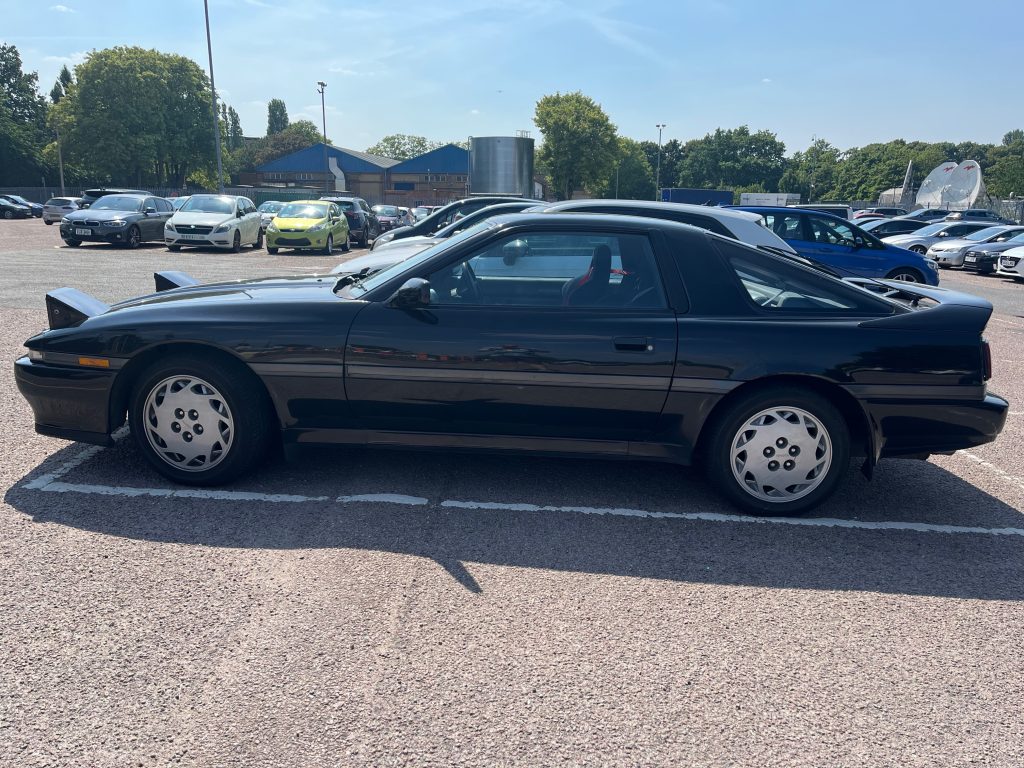
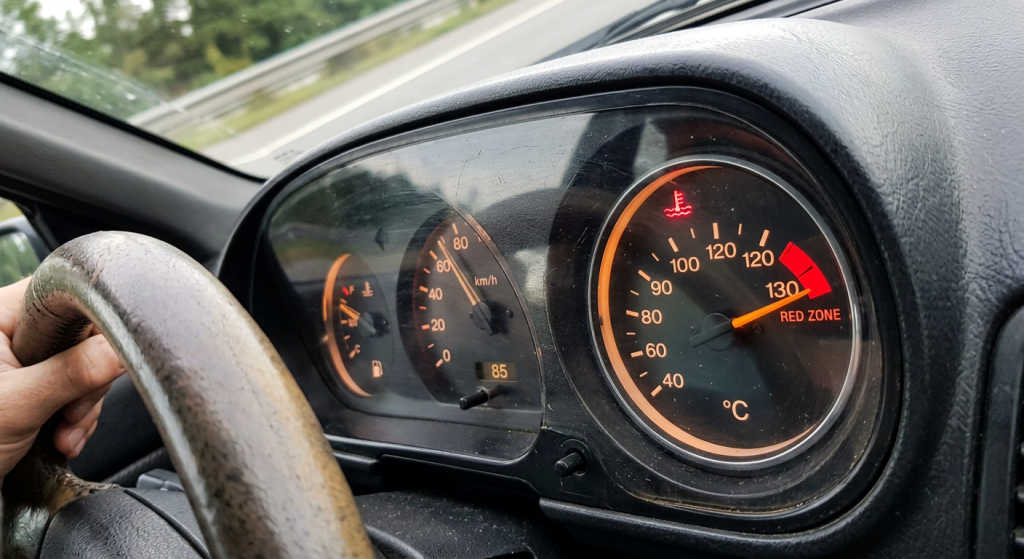
Other than experiencing the daytime temperature of planet Mercury when entering, nothing in your chariot is expected to be affected. However, a couple of my colleagues and myself recently experienced vehicle incidents due to the heatwave. One colleague driving his classic Mk2 Toyota Supra to the office suffered an overheated engine. He discovered his oil was low which caused the engine to run hotter. Motor oil absorbs the friction heat inside the engine. More common for these classics running a high temperature would be a low coolant level, leakage from worn hoses or a blocked or faulty radiator – reminiscent of older cars!
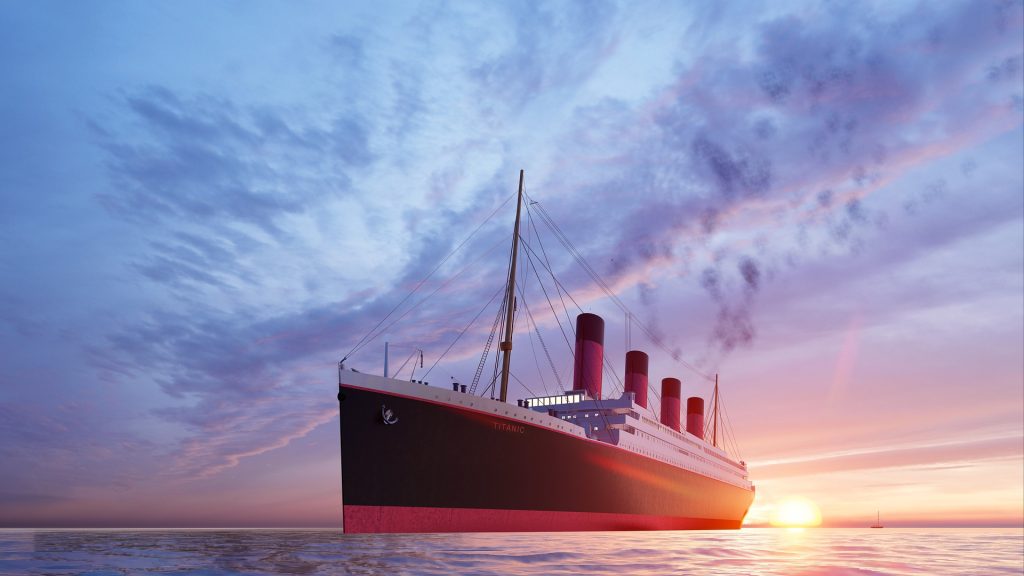
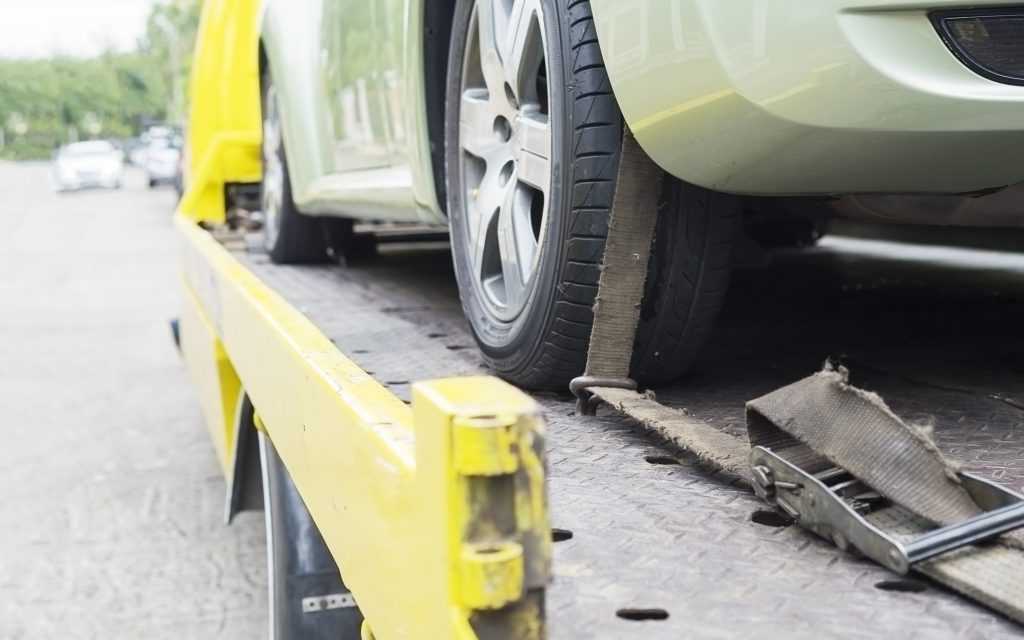
Last week I suffered a snapped main drive belt on my SUV, which I thought at first, the engine had just stalled. I attempted to restart the running vehicle whilst steering down a hill to find a safe place to pull over. For those seconds, I felt like I was steering the Titanic around an imminent iceberg. Being of a certain age, I used to drive vehicles with no power steering, but this failure took me by surprise and was actually quite dangerous having to negotiate the narrow road. The recovery assistance gentleman agreed that the belt probably snapped due to its age, rubber deterioration and working overtime with the other ancillaries such as the air conditioning pump in the high heat. The belt had shredded to many pieces. I duly had it recovered to my local VW service centre.
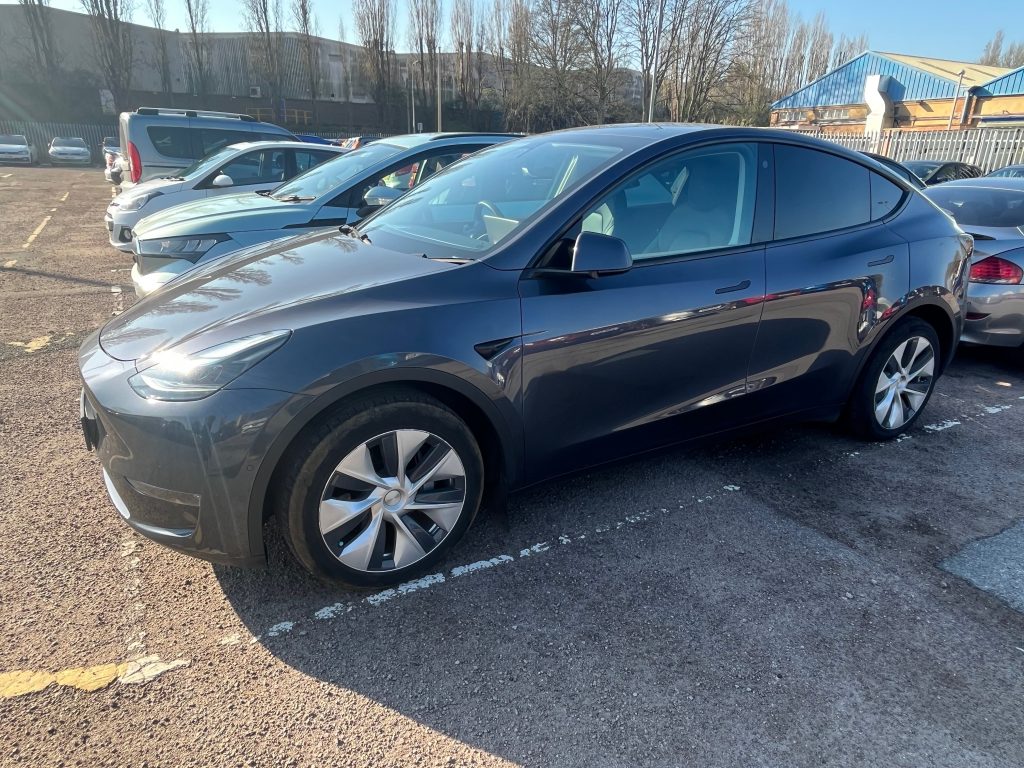
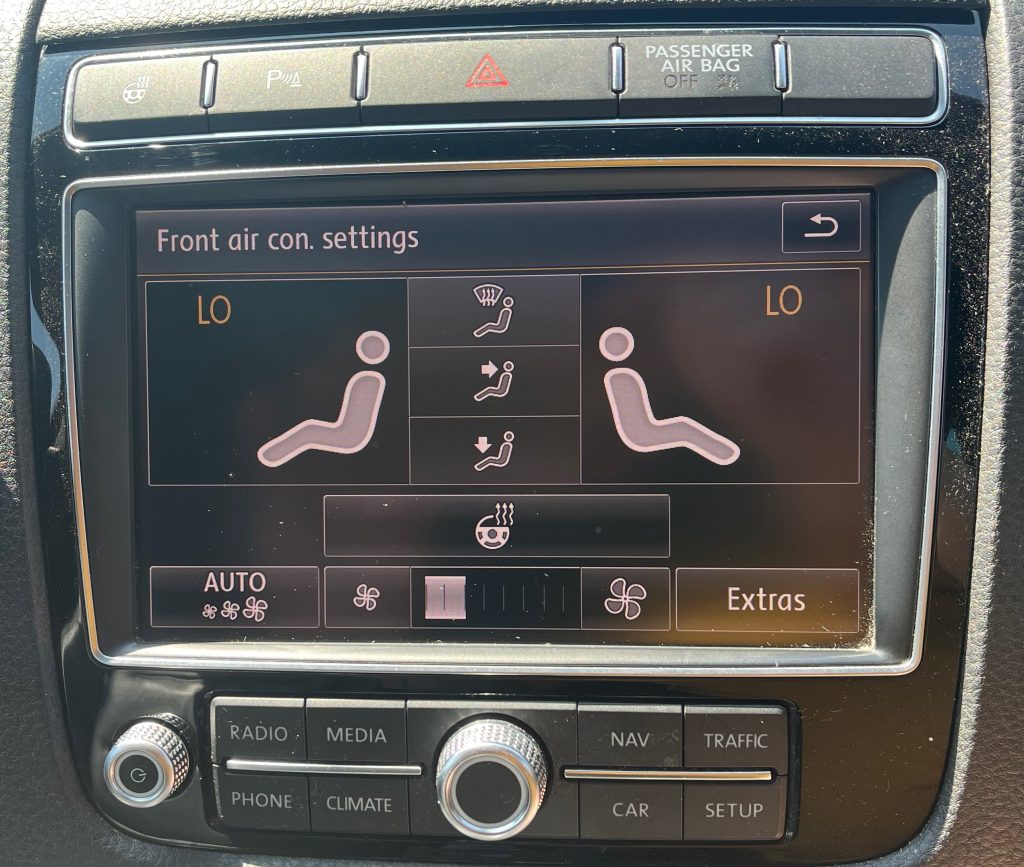
Those of us that drive modern cars have the luxury of air conditioning (where working) to keep us in the ambient temperature we are accustomed to. Electric vehicles, such as the Tesla’s, can be pre-cooled by the owner’s phone app before they embark on their trip. A rudimentary solution for others would be to use a reflective windscreen shade to beat off some of the sun’s radiating warmth. Opening the windows where it’s safely parked to reduce the cabin greenhouse effect can help. Obviously do not leave any valuables on show and don’t forget to close the windows at night!
Constant sun rays from our climate changing weather can speed up paint fade due to oxidation, especially if you own a red, yellow, orange or blue carriage. Care must be taken if the car is covered during the summer months – paint can blister. Ideal home parking to mitigate this would be to use a garage or canopy to shade the car. Do not wash the car either. The direct sunlight and hot paintwork cause water and shampoo to dry in an instant leaving water streaks.
Advantages with the weather in air fryer mode? Motorists that drive a convertible can bask in the sunshine, embrace the wind in their hair feeling and subsequently top-up on vitamin D. For the rest of us, like leaving the grass, we get out of washing the car..