Fossil Fuel Crisis
The biggest automotive news this month that will affect every driver of a fossil fuelled vehicle is the rise in the barrel price of crude oil due to the war in the Middle East. Wholesale oil and gas prices have risen since the war in the Middle East conflict began on 28 February. This is due to the disruption of the production and transportation of oil. As crude oil is a key ingredient in petrol and diesel, a knock effect on the availability of petrol at the pumps will occur. It is reported that for every $10 rise in the price of a barrel of oil, there will be an increase of 7p on a litre of fuel.
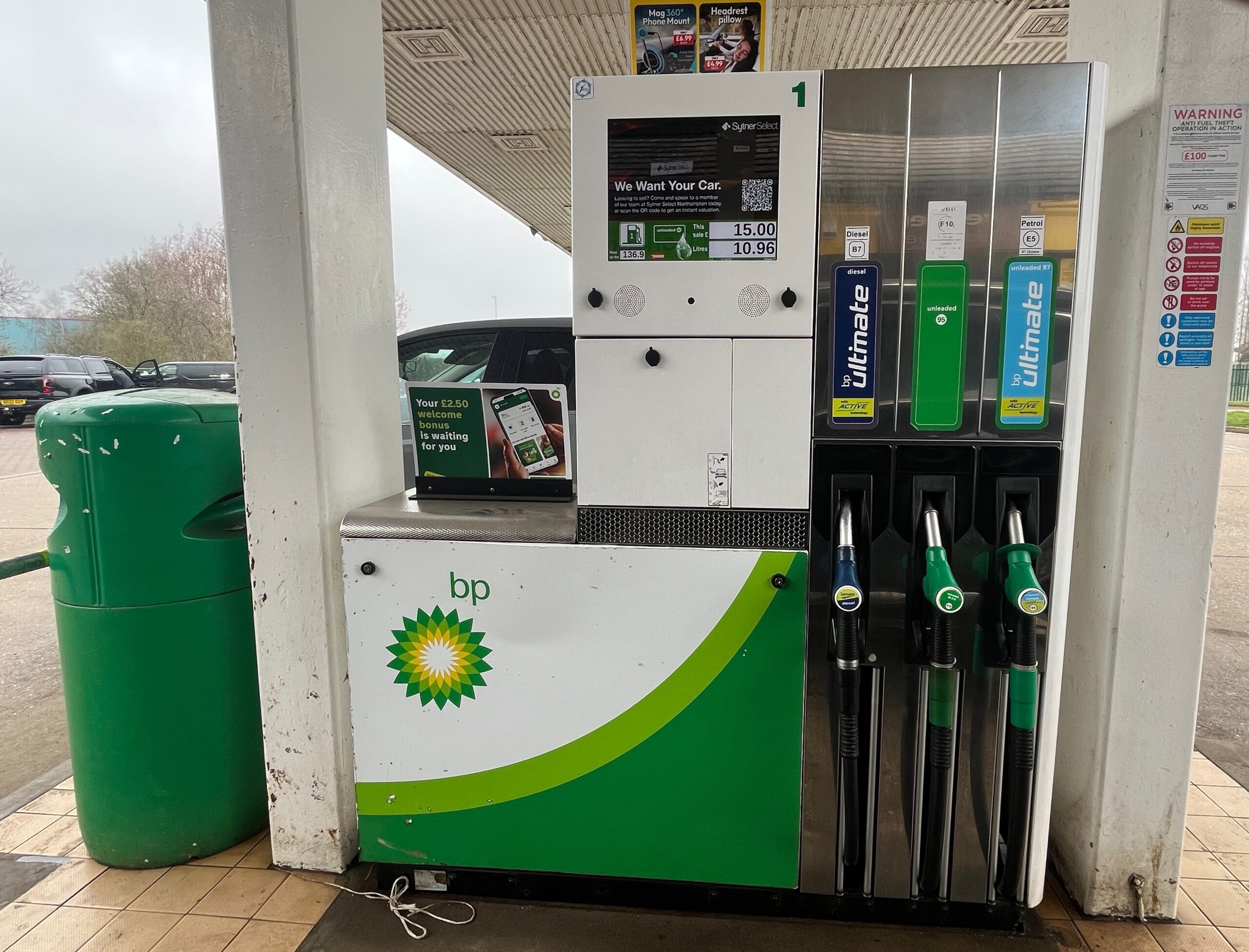
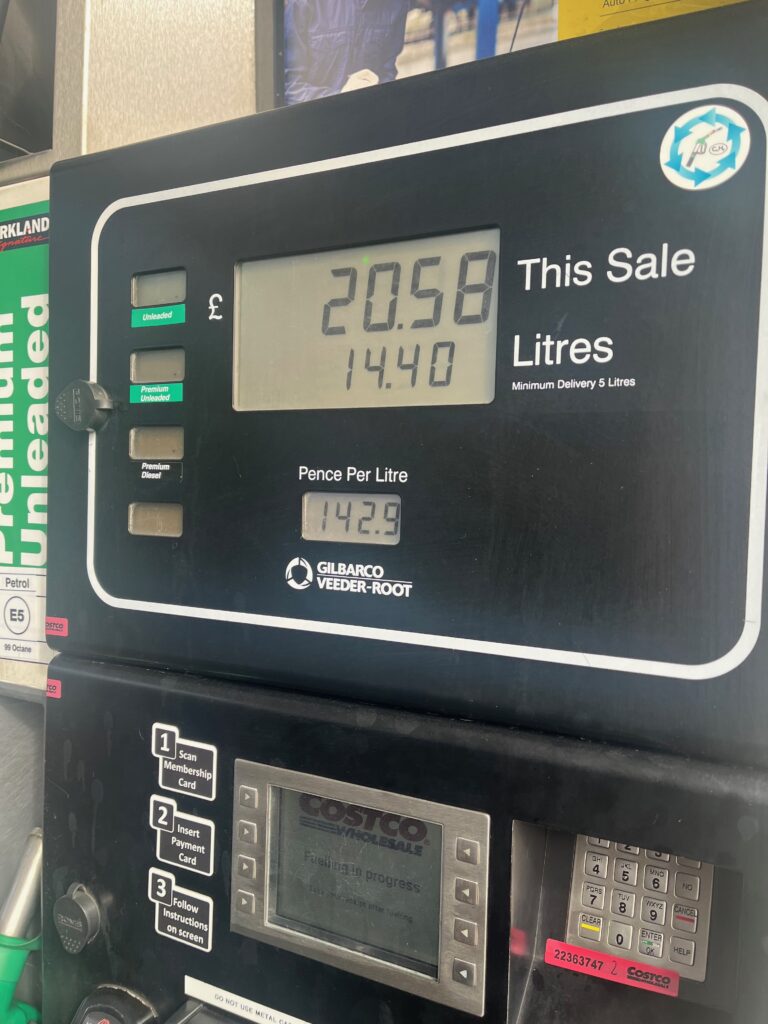
At the time of writing this brief, the barrel price exceeded $100 for a couple of days then dipped back to $90 when President Trump announced that the war was ahead of schedule and was going to end soon. The $100 barrel rise caused diesel to rise from 140 pence to 154 pence per litre at many forecourts. Some reports even suggest some fuel stations were selling diesel at 173 pence per litre. A tentative panic buy has ensued and longer queues at garages over the lunchtime and rush hour periods have been observed.
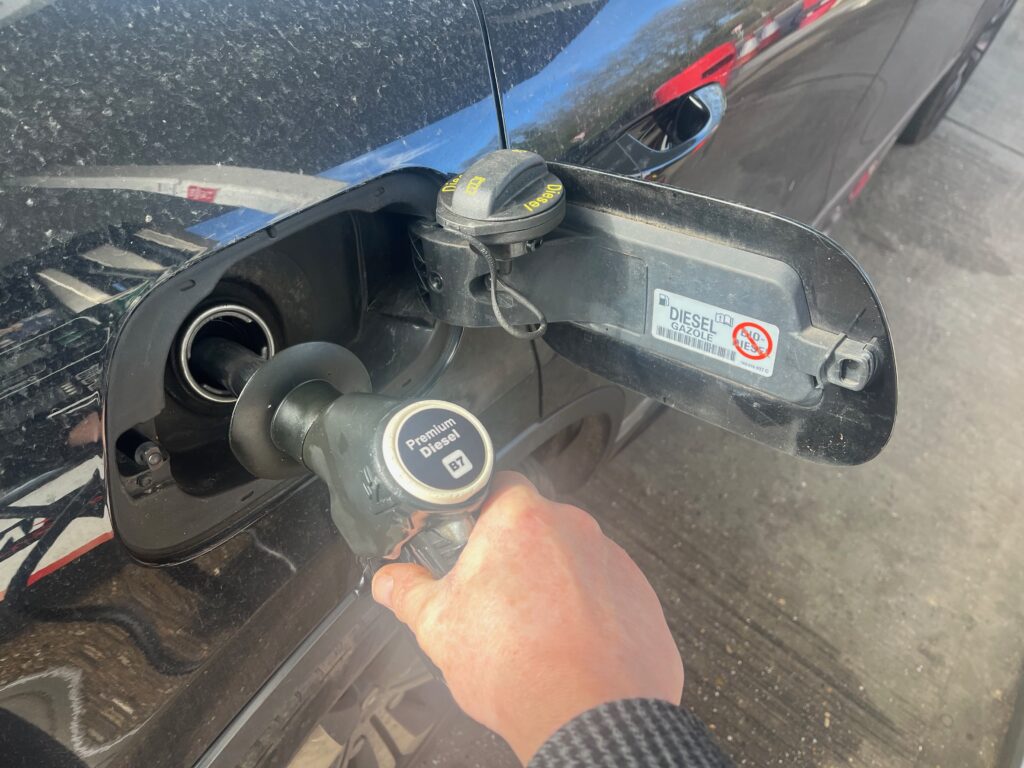
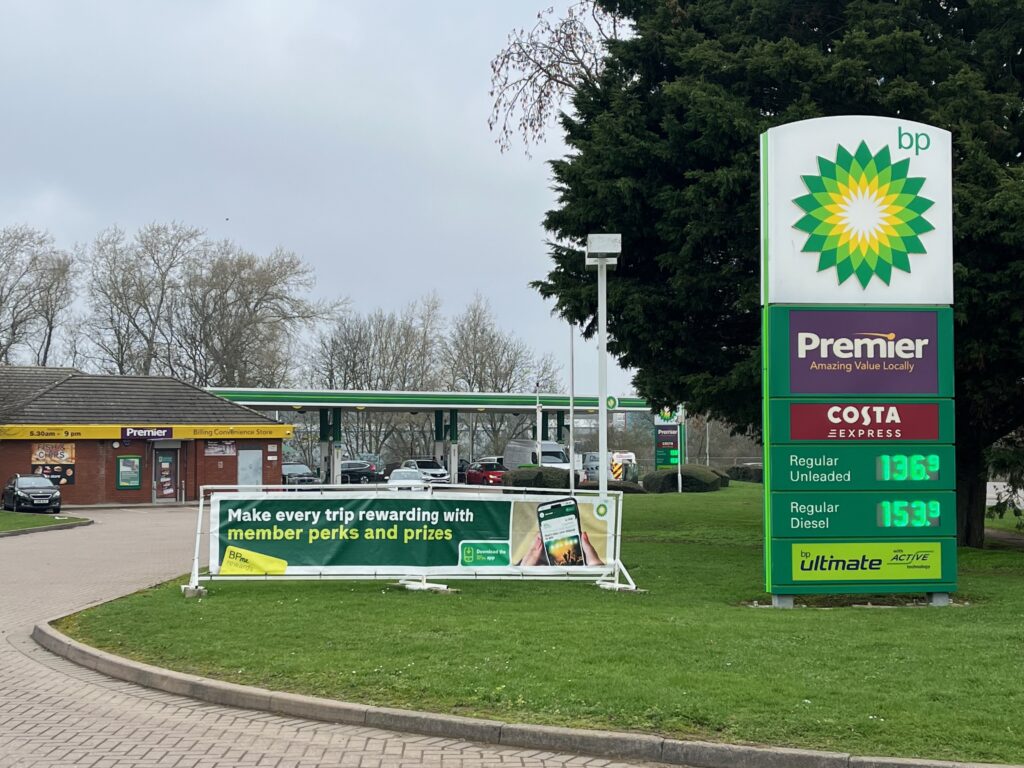
This is not the first time in recent years we have become victims of oil rises. When Russia invaded the Ukraine four years ago, the commodity markets soared pushing up the wholesale prices of gas and oil. Eventually supplies stabilised and prices at the pump returned to pre conflict values.
If you have access to a DeLorean powered by flux capacitor – not fossil fuel, and you can legally get up to 88mph, then you could go back to the autumn of 2000 and experience the shortage of fuel as over 3,000 petrol stations closed due to blockades at oil refineries by protestors protesting high fuel taxes. Panic buying commenced and the pumps were all emptied by the second week of the September. Government intervention eventually restored supplies.
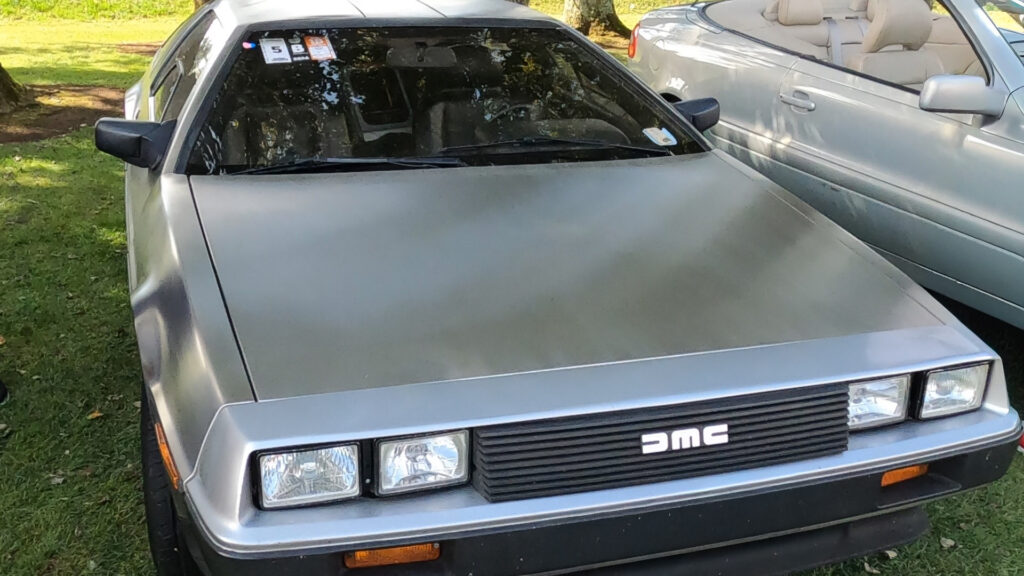
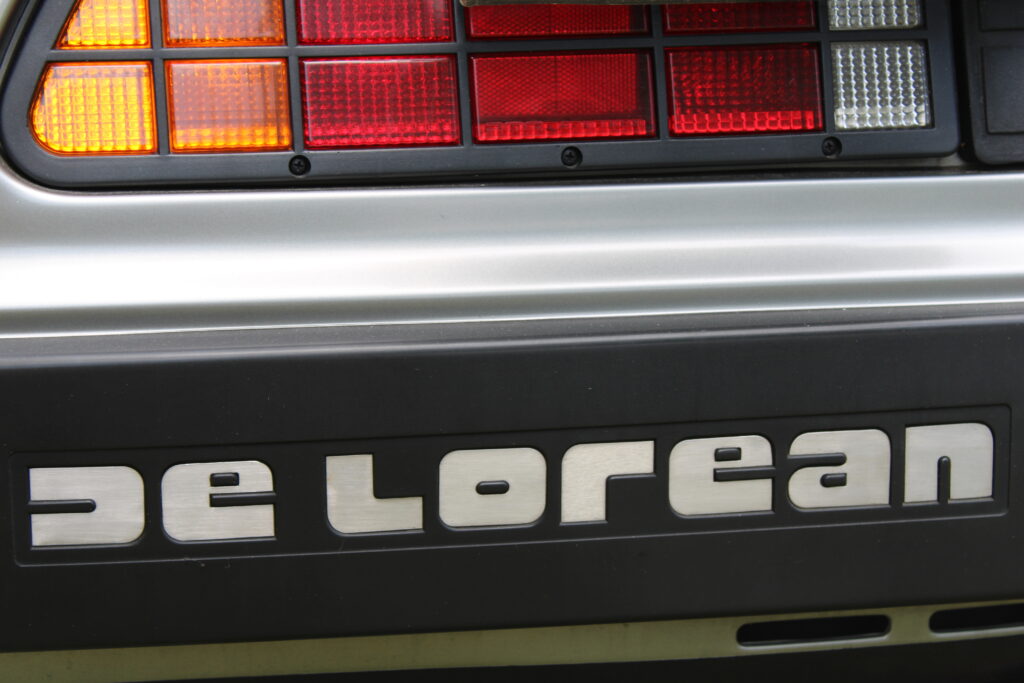
Going forward if we do have a fossil fuel shortage crisis, the winners may the electric vehicles (EV) on the road. A fuel scarcity could ironically reverse the slowdown of EV sales and prompt some confusion for vehicle manufacturer’s deciding whether to drop EV production or not.